
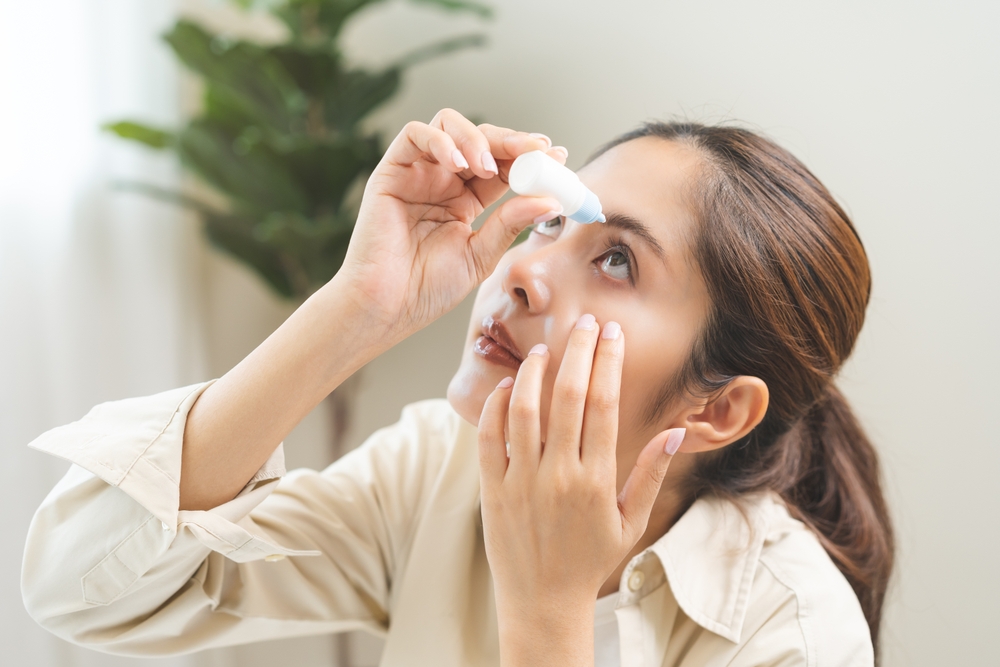
Artificial tears can be helpful for temporary dryness, but they are not always enough to treat the real cause of chronic dry eye. Many patients use drops throughout the day and still deal with burning, watering, redness, blurry vision, or gritty eyes. When symptoms keep coming back, the issue may be deeper than simple dryness.
Artificial Tears Only Provide Temporary Relief
Artificial tears add moisture to the surface of the eye, but they do not correct the underlying problem causing the tears to evaporate too quickly. For many people, dry eye is linked to poor oil production in the eyelids. Without a healthy oil layer, tears break down faster, leaving the eyes irritated even after using drops.
MGD Is a Common Cause of Dry Eye
Meibomian Gland Dysfunction, or MGD, is one of the most common causes of evaporative dry eye. The meibomian glands in the eyelids produce the oils that help keep tears stable. When these glands become clogged, inflamed, or underactive, the tear film becomes unstable.
MGD can cause dryness, redness, fluctuating vision, burning, watery eyes, and eye fatigue. Treating MGD often requires more than lubricating drops because the blocked glands need targeted care.
Blepharitis Can Make Symptoms Worse
Blepharitis is inflammation along the eyelids and lash line. It can contribute to crusting, irritation, redness, and unstable tears. Some patients with dry eye also have blepharitis, which can make symptoms harder to manage with artificial tears alone. When blepharitis and MGD are both present, treatment may need to focus on improving eyelid health, reducing inflammation, and restoring better gland function.
Signs You May Need More Than Eye Drops
You may benefit from advanced dry eye treatment if you notice:
• Burning, stinging, or gritty eyes
• Watery eyes despite feeling dry
• Redness or irritation along the eyelids
• Blurry vision that improves when you blink
• Heavy or tired eyes during screen use
• Frequent dependence on artificial tears
• Flaking, crusting, or inflammation around the lashes
These symptoms can point to tear film instability, MGD, blepharitis, or inflammation that needs a more personalized treatment approach.
Advanced Dry Eye Treatments That Target The Source
At Chino Hills Eyecare Optometry, dry eye treatment is designed to address the cause of symptoms, not just mask discomfort. Depending on your exam findings, advanced treatment options may include Lumecca® by InMode IPL, Forma-I Radio Frequency by InMode, LipiFlow®, TearCare®, BlephEx®, and ZEST.
These treatments can support better gland function, reduce eyelid inflammation, improve oil flow, clean the lash line, and help create a healthier tear film. For patients with MGD or blepharitis, this type of in-office care may provide more meaningful relief than relying on drops alone.
Dry Eye Treatment Starts with a Clear Diagnosis
Some patients have gland blockages, some have eyelid inflammation, and others have a combination of factors. A dry eye evaluation helps identify what is contributing to your symptoms so treatment can be matched to your needs. For patients, this can make a significant difference in comfort, vision quality, and long-term eye health.
If you’re experiencing persistent dry eye symptoms, schedule a consultation with Chino Hills Eyecare Optometry to learn more about advanced treatment options. Please call (909) 591-2034 to book an appointment today.